
The Sinking Cage: Why Fiji is 2026’s Most Beautiful Trap
“Bula” is the most profitable word in the South Pacific. It means “life,” “health,” and “welcome.” In 2026, it is also a masterclass in marketing distraction.
If you land in Nadi today, you will be greeted by a smiling band, a garland of orchids, and the shiny promise of the “New Fiji”—a nation of booming luxury resorts and eco-conscious “Loloma Hours.” But look past the hibiscus behind the ear. Fiji is currently fighting a war on two fronts: the ocean is eating its land, and the world is locking its doors.
The Golden Cage
As of January 2026, the United States has slapped Fiji on its “elevated risk” list, effectively freezing immigrant visas. The message from the West is brutal: We want your beaches, your fish, and your hospitality. We just don’t want you.
This geopolitical slap in the face creates a jarring reality.
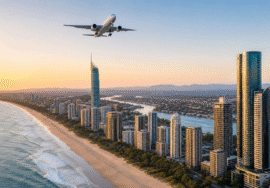
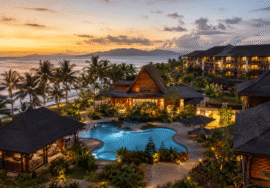
- The Tourist: You are flying in on the newly expanded Fiji Airways routes, maybe heading to the just-opened Vatu Talei resort on Denarau (opening late 2026). You are drinking cocktails by the South Pacific’s largest pool.
- The Local: The person serving you that cocktail is likely from one of the 600+ villages currently flagged for potential relocation due to climate change. They are trapped. They cannot move to higher ground easily because of funding, and now, they cannot easily move abroad.
Fiji has become a luxury holding pen. The resorts are getting bigger, while the options for the people who build them are shrinking.
The “Loloma Hour” Paradox
To assuage your guilt, the tourism board has invented “Loloma Hour” (Love Hour). Forget “Happy Hour” 2-for-1 beers. In 2026, resorts are asking you to swap the bar tab for 60 minutes of coral planting or mangrove restoration.
- The Cynic’s Take: It is brilliant greenwashing. You pay thousands of dollars to fly across the world, then spend an hour doing manual labor to “save” the reef you just polluted with jet fuel. It makes you feel like a savior instead of a consumer.
- The Heart: But here is the thing—it’s actually working. Look at the BULA Reef. This artificial reef, planted largely by volunteers and locals, is thriving. It survived the heatwaves that bleached the natural reefs white. When you participate in Loloma Hour, you aren’t saving the world, but you are physically keeping a piece of the ecosystem alive. The joy on the face of the local marine biologist when a replanted coral takes hold is real. It’s a small, desperate victory, but a victory nonetheless.
Fiji in 2026 is heartbreakingly beautiful. The water is still that impossible shade of turquoise. The people are still the warmest on the planet—despite the fact that the world is turning its back on them.