From Forts to Front Desks: Uttar Pradesh Bets on Heritage Hospitality
With restoration incentives and plans to repurpose historic properties, Uttar Pradesh is positioning its architectural legacy as a hospitality opportunity. For the travel trade, the promise lies in creating distinctive stays while preserving the stories that make them worth visiting.
India’s heritage is often experienced through monuments viewed from behind a camera lens. But what if travellers could experience history beyond the guided tour—by checking into a restored mansion, hosting an event within historic walls or spending a night in a fort transformed into a hospitality destination?
Uttar Pradesh has the architectural assets to make that proposition compelling. Through its Tourism Policy 2022, the state is seeking to encourage heritage-led hospitality, offering eligible projects financial incentives to restore and adapt historic properties while retaining their architectural character. For hotel developers, destination management companies and tour operators, this opens a conversation about converting cultural assets into distinctive travel experiences.
The opportunity, however, depends on the distinction between policy incentives, projects under development and hotels already welcoming guests.
An Existing Model for Heritage Hospitality
In Agra, The Grand Imperial illustrates how heritage character can form the foundation of a contemporary hospitality product. The property describes its origins in the early twentieth century, combining period ambience with accommodation and event facilities.
For the travel trade, properties of this kind demonstrate the appeal of hospitality that offers more than a standard hotel stay. Heritage settings can strengthen destination storytelling, support premium leisure itineraries and provide distinctive venues for weddings, private celebrations and corporate events.
The Grand Imperial should be understood as an existing sector example, not as a development attributable to Uttar Pradesh’s 2022 tourism policy. Its relevance lies in illustrating the type of experience that heritage-led hospitality can offer.
Incentives to Make Restoration Viable
Restoring a historic building for commercial use is rarely straightforward. Structural conservation, modern services, accessibility and hospitality standards must be reconciled with the property’s architectural integrity. The financial burden can make otherwise attractive projects difficult to execute.
Uttar Pradesh’s tourism policy addresses this challenge through incentives for eligible heritage-hotel projects. These include capital support for qualifying restoration and adaptation, interest assistance and specified tax, stamp-duty and property-conversion benefits.
Such provisions can help improve project viability, particularly where investors must balance conservation requirements with the practical demands of running a hotel. Eligibility conditions, approval procedures and applicable limits remain important considerations; the availability of a policy benefit does not automatically establish that a project has received it.
For investors, the central question is whether these incentives can bridge the gap between a historic property with tourism potential and a commercially sustainable hospitality operation.
Chunar Fort: A Project to Watch
The proposed transformation of Chunar Fort into a heritage hotel offers a glimpse of how the model could develop. An Amar Ujala report dated 5 May 2026 described plans to develop the fort through a public–private partnership, with an anticipated implementation period of two years.
The proposal is significant because it points towards a possible new use for a major historic asset. A heritage-hotel development at the fort could, if realised, create opportunities to combine accommodation with regional history, guided experiences and wider destination itineraries.
But the distinction matters: Chunar Fort remains a reported project under development, not an operational heritage hotel on the evidence cited here. Its progress, investment arrangements and eventual opening will determine when travel businesses can incorporate it into saleable packages.
Turning Architectural Legacy into Commercial Value
For tour operators and destination planners, heritage hospitality offers a way to diversify Uttar Pradesh beyond conventional sightseeing. Restored properties can become anchors for cultural circuits, special-interest tours, destination celebrations and premium short breaks.
Yet the sector’s next milestone is evidence of delivery. A consolidated, independently verifiable record of heritage hotels opened under the policy, their opening dates and the subsidies actually disbursed has not been established in the information reviewed.
Uttar Pradesh has the historic buildings and policy framework to pursue this opportunity. The task ahead is to turn incentives into completed restorations, commercially viable hotels and experiences that respect local heritage.
Ultimately, the strongest heritage-hospitality proposition will not simply put old buildings back into use. It will give travellers a meaningful reason to stay—and ensure that the history they come to experience remains intact for the generations that follow.
#UttarPradeshTourism #HeritageHotels #HeritageHospitality #ChunarFort #HotelInvestment #CulturalTourism #TravelTrade
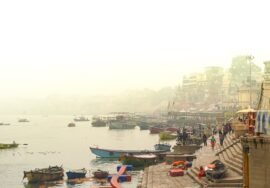
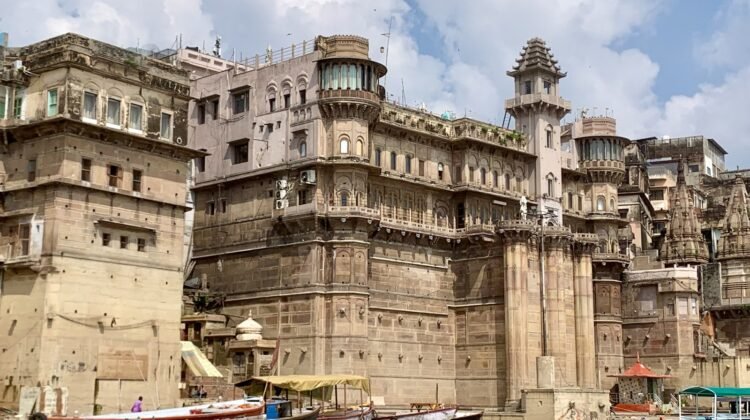
Featured photograph: Brijrama Palace on the Varanasi riverfront. Dudva / Wikimedia Commons, CC0 1.0 Universal Public Domain Dedication. Resized for web.