
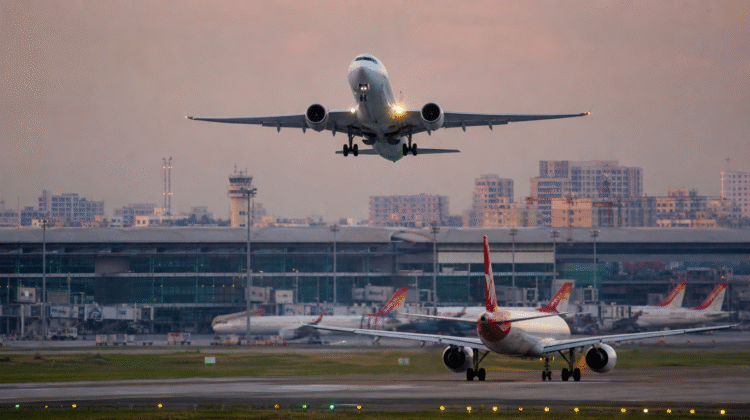
Asia-Pacific aviation remains resilient but under pressure
ASIA-PACIFIC: The latest IATA data shows Asia-Pacific airlines recorded a 2.0% year-on-year decline in passenger traffic in June 2026, with capacity down 2.1%. Yet the regional passenger load factor reached 83.1%, its highest June level on record. IATA attributed the pressure partly to weaker domestic markets, including China, and softer demand in India, while higher fuel costs affected short-haul international capacity.
The region’s airline economics are also facing pressure from fuel prices and geopolitical disruption. IATA has already cut its 2026 airline profit forecast by around 35% because of higher jet-fuel costs.
The situation is particularly relevant to Indian carriers, which are simultaneously navigating capacity adjustments, international connectivity changes and the wider effects of Middle East disruption on aviation.
At the broader tourism level, UN Tourism reported that Asia and the Pacific recorded 3% growth in international arrivals in Q1 2026, although South Asia was particularly affected by disruptions around Middle Eastern air hubs.
The regional picture therefore needs to be read alongside India’s own aviation growth story, including domestic passenger growth and changing international capacity.
Why it matters: The numbers tell a more nuanced story than headline passenger growth. Demand remains substantial, but airlines are balancing fuel costs, capacity discipline, geopolitical disruption and changing regional traffic patterns.
This report is part of TheTravigator’s continuing news coverage of the travel, tourism, aviation, and hospitality sectors. Our editorial team publishes industry news, market insights, partnerships, policy developments, and business updates relevant to the travel trade community. For press releases, partnership opportunities, advertising enquiries, or editorial collaborations, please contact our editorial desk at:
INFO@THETRAVIGATOR.COM