
You Just Approved 47 Hotel Bookings. But When Did You Last Sleep in One?
You just signed off on Q3 travel approvals—47 hotel nights across Singapore, Bengaluru, and Frankfurt . The vendors are confirmed. The rates are “optimized.” The T&E report looks clean.
Congratulations, Procurement Manager . You just executed a flawless travel buy.
But here’s a question they don’t teach in supply chain management : When did you last experience the product you’re sourcing?
Not “stay” as in “check‑in, sleep, check‑out, claim reimbursement.” Experience.
As in the smell of jasmine in a Jaipur haveli courtyard at 6 AM.
The sound of a Hanoi morning market before the meetings start.
The taste of filter coffee from a roadside stall in Madurai that no meeting agenda will ever include.
The Procurement Paradox
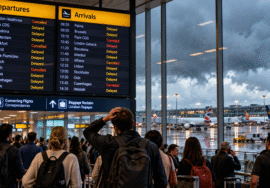
You’ve negotiated dynamic rates down to the last rupee. You’ve clawed back commissions. You’ve banned “non‑essential” stopovers. And yet, employee burnout is up . Retention is down. And that “cost‑effective” hotel 8 km from the client site? Your team hates it. Quietly. Resentfully.
Here’s the data procurement reports won’t show you: a large share of Indian employees now value work‑life integration over salary hikes . The bleisure trend—extending work trips for personal exploration—isn’t a loophole. It’s a signal.
Your people aren’t trying to cheat the system. They’re trying to survive it.
What Your RFP Didn’t Ask
When you source travel, you ask about net rates, cancellation policies, and payment terms. But do you ask:
- Does this hotel have a walking trail or park nearby?
- Is there street food within 10 minutes that won’t cause Delhi belly?
- Can an employee extend their stay Friday–Monday without rebuilding the entire itinerary?
Because the answers to those questions determine whether your team returns recharged or resentful .
The ₹5,000 Experiment
Try this. Next time you approve a Bengaluru–Mysore–Coorg route, add one night at a homestay . Not a chain. Not a “business hotel.” A homestay with a family that grows its own coffee. Cost: roughly ₹5,000 extra .
Track what happens. Not in the P&L, but in the energy of the person who comes back.
The Bottom Line
You are a procurement manager . Your job is to protect the company’s money. But travel isn’t a line item. It’s a human being, in a foreign city, trying to do their best work while missing their family.
The most cost‑effective travel policy isn’t the cheapest one. It’s the one that makes people want to travel for you again.
So yes, optimize the rates . Negotiate the contracts. But once a quarter, book yourself on the trip your team actually takes. Not the one in the PPT. The messy, delayed, unexpectedly beautiful one.
Then come back and tell me if your sourcing strategy needs an update.
Safe travels. Or better yet, meaningful ones.
B2B Fraternity Take
Procurement isn’t your enemy; they’re your untapped ally . Sell them “employee retention through travel experience” , not just room nights. Bleisure packages, homestay upgrades, and walkable hotels reduce burnout. Show procurement how better travel = lower attrition . That’s a pitch finance understands.
This article is part of TheTravigator’s ongoing editorial coverage of trends, developments, and business opportunities within the Indian travel and tourism industry. Our editorial content is intended to inform travel professionals, industry stakeholders, and partners about market movements, policy changes, partnerships, and innovation shaping the sector. For editorial collaborations, advertising opportunities, press releases, or content partnerships, please contact our editorial team at:
INFO@THETRAVIGATOR.COM