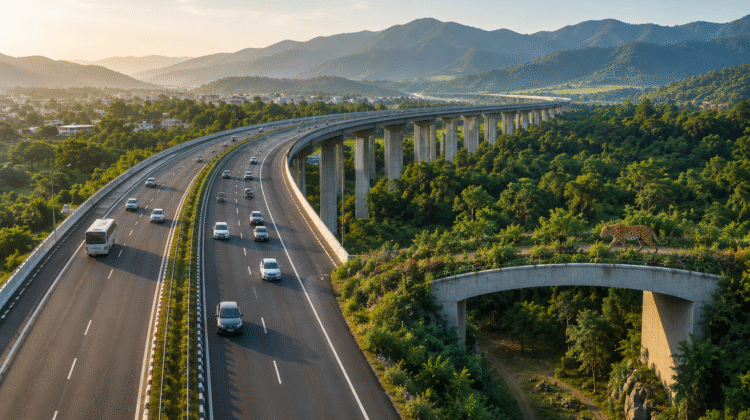
DELHI–DEHRADUN EXPRESSWAY: A TOURISM GAMECHANGER INDIA DIDN’T KNOW IT NEEDED
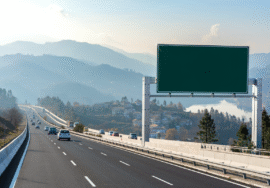
PM Modi inaugurated the Delhi–Dehradun Economic Corridor on April 14, 2026 —a 213‑km, six‑lane, access‑controlled expressway linking Delhi’s eastern periphery to Dehradun’s outskirts. For India’s domestic tourism industry, this is the biggest infrastructure story of the decade .
Old road: 6+ hours of NH‑9 grind through Modinagar, Meerut, and Muzaffarnagar.
New road: around 2.5 hours from Delhi’s ring‑road to Dehradun— faster than a Gurgaon–Noida evening commute .
For B2B tour operators , this unlocks:
- Day‑trip circuits from Delhi to Mussoorie (+45 mins from Dehradun)
- Weekend MICE retreats in Rishikesh and Haridwar without Friday‑night traffic hell
- Lower bus operating costs (fuel savings, less driver fatigue, fewer overnight halts)
Most importantly: a 12‑km elevated wildlife corridor over the Rajaji Tiger Reserve—one of Asia’s longest—designed to protect leopards and other wildlife from road collisions. That’s not just engineering; it’s premium marketing . Environment‑conscious corporates and family travellers will pay a premium for a route that doesn’t kill leopards.
Estimated daily traffic diversion: over 25,000 vehicles initially , scaling to 50,000+ by 2028 . For homestays, resorts, and adventure operators in Uttarakhand: update your distance and timing calculators now . Your catchment area has exploded.
B2B industry analysis
The expressway cuts Delhi–Dehradun transit costs by roughly 35–40% and travel time by about 60% . B2B domestic packagers can now offer same‑day return circuits, weekend MICE inventory, and lower group transport rates —directly competing with air‑only Dehradun routes.