MYANMAR: A LAND OF GOLDEN PAGODAS, RICH HERITAGE AND A DESTINATION ON HOLD
An extraordinary cultural landscape whose tourism potential must currently be viewed through the realities of safety and political instability.
Myanmar has long occupied a special place in Southeast Asia’s cultural geography. Its ancient temples, golden pagodas, traditional markets, river landscapes and diverse ethnic communities have historically made it an appealing destination for travellers interested in heritage and authentic cultural encounters.
For Indian travellers, Myanmar also has historical and religious significance, particularly through its Buddhist connections and shared cultural links across the Bay of Bengal.
However, there is an important distinction between a destination’s tourism potential and its suitability for travel today. Myanmar’s current security situation makes this a destination that international travel companies must approach with considerable caution.
Bagan: A landscape unlike anywhere else
Before the country’s current difficulties, one of Myanmar’s most compelling tourism experiences was Bagan.
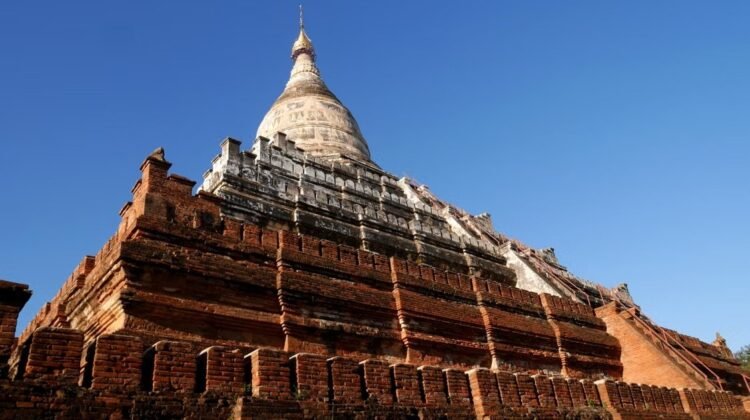
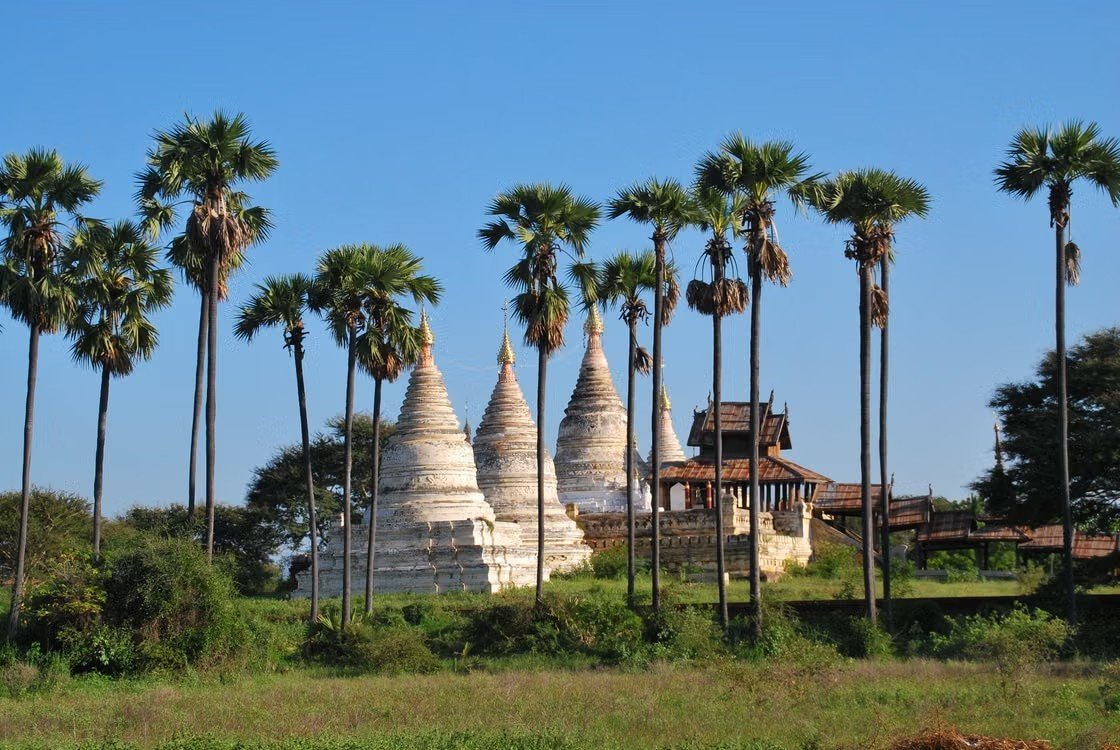
Set across a vast archaeological landscape, Bagan contains thousands of ancient Buddhist temples, stupas and pagodas. The sight of temple spires emerging through the morning mist has historically made it one of Asia’s most memorable heritage destinations.
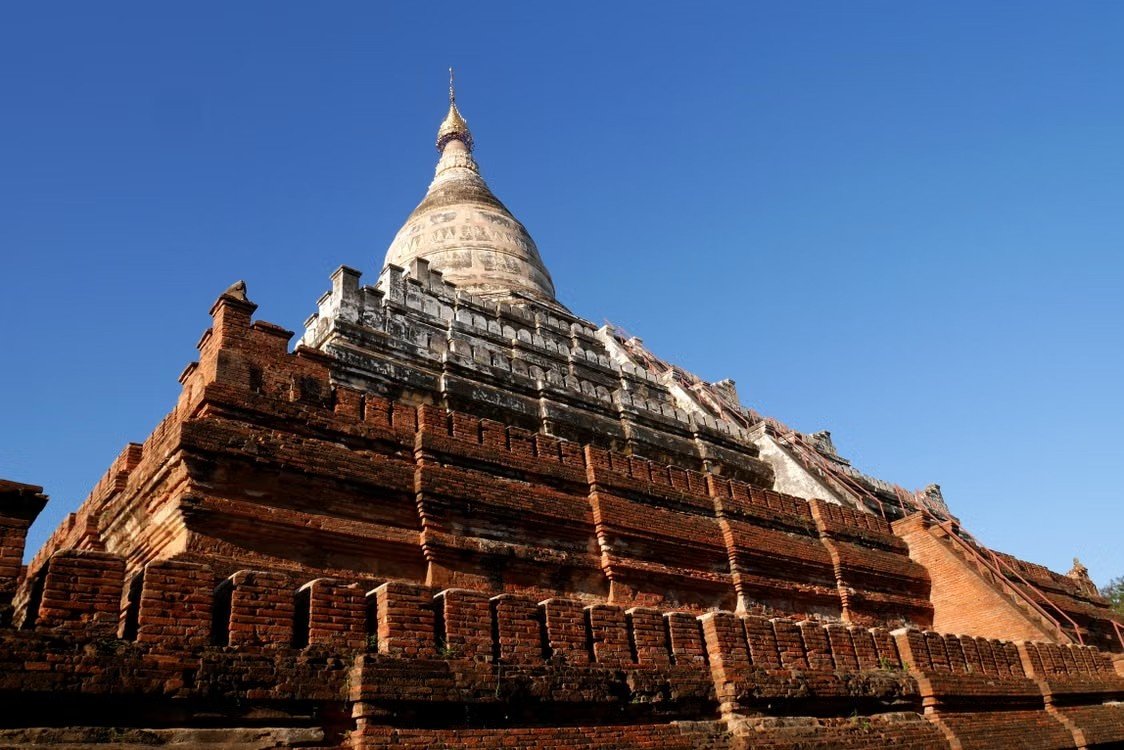
The Ananda Temple, Dhammayangyi Temple and Shwezigon Pagoda are among the important monuments associated with the region.
Bagan’s historical significance extends beyond architecture. Its temples and inscriptions reflect the development of Burmese civilisation, Buddhist patronage and artistic traditions over centuries.
Yangon: A city of religious and colonial heritage
Yangon has historically been the gateway for international visitors.
Its most celebrated landmark is the Shwedagon Pagoda, a magnificent golden Buddhist complex that holds immense religious and cultural significance.
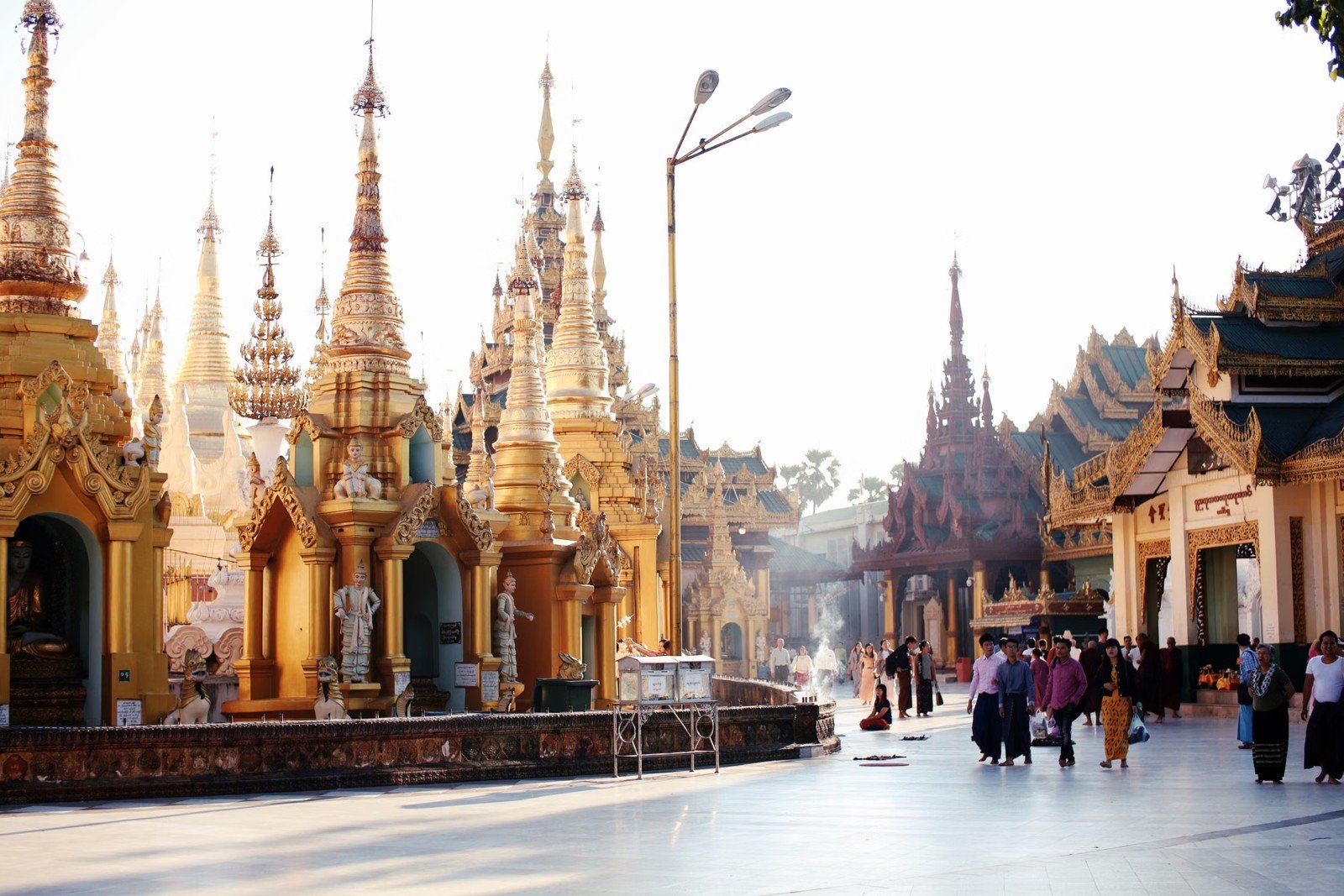
The city’s colonial-era architecture, traditional markets and neighbourhood food culture have also made it an interesting urban destination. The historic downtown area reflects the influence of different communities and periods of commercial exchange.
Mandalay, another important cultural centre, is associated with traditional crafts, monasteries and royal history. Inle Lake has traditionally attracted visitors through its floating gardens, lakeside communities and distinctive fishing traditions.
A cuisine influenced by its neighbours
Myanmar’s food culture reflects influences from India, China, Thailand and its own diverse ethnic communities.
Mohinga, a fragrant fish-based noodle soup, is widely regarded as the country’s signature breakfast dish. Tea-leaf salad, known as laphet thoke, combines fermented tea leaves with nuts, beans and other ingredients.
Shan noodles are another popular regional speciality, while Burmese curries are commonly served with rice, vegetables and a selection of side dishes.
For Indian travellers, the country’s food traditions offer interesting points of familiarity, alongside distinctive local ingredients and preparation methods.
Traditional tea shops have historically played an important role in everyday social life, serving as meeting places where people gather over tea and light meals.
The cultural connection with India
Myanmar’s connections with India extend through religion, trade, migration and cultural exchange. Buddhist heritage, particularly the historical significance of pilgrimage and religious learning, has long contributed to interest among Indian visitors.
The country also has historical connections with India’s northeastern states, making it an interesting subject for specialist heritage and cross-border tourism research.
The present-day travel reality
The tourism story cannot responsibly be separated from the current security environment.
As of 12 November 2026, Australia’s Smartraveller advisory continues to recommend that travellers do not travel to Myanmar because of armed conflict, civil unrest, unpredictable security incidents and potential restrictions. India’s Ministry of External Affairs also maintains advisories for Indian nationals travelling to or based in Myanmar, including specific guidance concerning Rakhine State.
The situation can vary considerably by location and change at short notice. Airlines, accommodation providers and transport services may also face operational uncertainty.
Consequently, the following budget figures should not be presented as bookable holiday prices or used to promote immediate travel. Historical travel-cost comparisons are not a substitute for current operational and security assessments.
| Traveller category | Indicative planning status |
|---|---|
| Backpacker | Not recommended for current holiday planning |
| Couple | Not recommended for current holiday planning |
| Family of four | Not recommended for current holiday planning |
No commercial package budget is provided here because doing so could give a misleading impression that ordinary leisure travel is currently appropriate.
The B2B opportunity: Monitor, don’t market indiscriminately
For travel associations, destination specialists, DMCs and tourism researchers, Myanmar remains important from a longer-term heritage and destination-development perspective.
However, travel sellers should not actively encourage leisure bookings without checking the latest Indian government advisories, airline operations, insurance coverage and destination-specific conditions.
The country deserves attention from an editorial and historical standpoint, but the responsibility of the travel trade is to put traveller safety ahead of commercial opportunity.
Trade takeaway: Myanmar has a remarkable cultural tourism story, but its current security conditions must take precedence over its tourism potential. Revisit the destination only when credible official guidance supports safe travel.
Safety references: Australian Government Smartraveller, status current 12 November 2026; Ministry of External Affairs, Government of India.
BEYOND THE BEACHES: SEVEN SOUTHEAST ASIAN DESTINATIONS EVERY INDIAN TRAVELLER SHOULD EXPERIENCE
SPECIAL DESTINATION FEATURE | B2B TRAVEL & TOURISM EDITION | INDIA OUTBOUND MARKET
From steaming bowls of Vietnamese pho and Cambodia’s magnificent temple cities to the island cultures of the Philippines, the culinary streets of Malaysia and the tropical coastlines of Thailand, Southeast Asia offers Indian travellers an extraordinary mix of affordability, heritage, adventure and indulgence.
For India’s outbound travel trade, Southeast Asia is much more than a collection of affordable holiday destinations. It is a region where a backpacker can discover a new culture on a modest budget, couples can find romantic island escapes, and families can enjoy international holidays without necessarily spending European holiday money.
But there is a bigger opportunity for tour operators, destination management companies, hotel groups, airlines and tourism boards: moving Indian travellers beyond conventional sightseeing and into experiences built around food, local culture, heritage, nature and community.
Here are seven destinations worth exploring, each with a distinct personality, compelling travel experiences and indicative budgets for Indian travellers.
Budget methodology: All figures below are editorial planning estimates in Indian rupees for 2026, based on departures from major Indian cities. They assume approximately 5 nights/6 days, return economy flights, accommodation, meals, local transport and standard sightseeing. Seasonal fares, departure city, exchange rates, hotel category and activities can change the final cost. Family estimates assume four travellers, generally two adults and two children. These are indicative packages, not live quotations.