

Two Emirates, One Crisis
Abu Dhabi Shelters Stranded Indians for Free While Dubai Hotels Demand Lakhs
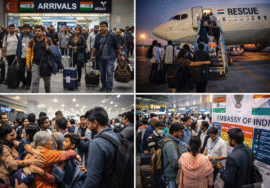
As thousands of Indian travelers remain stranded in the UAE amid ongoing airspace disruptions, a striking contrast has emerged between the crisis responses of Abu Dhabi and Dubai.
While Abu Dhabi has reportedly instructed hotels to provide complimentary accommodation to affected passengers, many Dubai properties continue to charge full commercial rates — creating financial strain and raising uncomfortable questions about consistency in humanitarian response.
Abu Dhabi: Government-Backed Relief
Following directives from the UAE’s civil aviation authorities, hotels in Abu Dhabi have been accommodating stranded passengers free of charge. The government is reportedly covering costs for affected travelers who present valid proof of cancelled flights.
Reports suggest:
- Over 2,000 stranded passengers have benefited
- Hotels across multiple categories have complied
- Extensions are granted upon presentation of flight cancellation confirmation
A Bengaluru-based IT professional described how his premium city-center hotel immediately extended his stay at no cost after verifying his cancelled ticket. Another traveler with an infant shared that complimentary meals and toiletries were provided without request.
For many, Abu Dhabi’s approach has reduced immediate financial pressure and restored a sense of security during uncertainty.
Dubai: Full Rates, Mounting Bills
In contrast, stranded Indian tourists in Dubai report that hotels — including major international chains — are charging standard extended-stay rates.
Current reported room tariffs in key areas such as Dubai Marina and Downtown range between:
- ₹15,000 to ₹25,000 per night
For a family of four stranded for five days, hotel bills can easily exceed ₹2 lakh at prevailing rates.
With no uniform government directive capping emergency accommodation costs, many travelers are watching their emergency funds deplete rapidly. Some are forced to consider airport stays to avoid mounting expenses.
Financial Strain on Families
The disparity has left many Indian families:
- Frustrated
- Confused
- Financially vulnerable
Travelers question why similar humanitarian provisions are not being applied uniformly across emirates, especially given Dubai’s global positioning as a tourism and transit hub.
Social media platforms are witnessing increasing appeals for coordinated intervention and standardized relief measures.
Reputation and Long-Term Impact
Abu Dhabi’s response is being widely praised as a model for structured crisis management. Its approach may strengthen its image as a traveler-centric and government-responsive destination.
Dubai, meanwhile, faces reputational scrutiny. In an era where crisis handling shapes destination perception, policy differences during emergencies can influence future traveler confidence.
What This Means for the Travel B2B Fraternity
This situation underscores the need for stronger crisis preparedness frameworks within the travel ecosystem.
Strategic Action Points:
- Pre-negotiate emergency rate agreements with Dubai hotels
- Recommend Abu Dhabi routing during UAE disruptions
- Build contingency accommodation funds into corporate travel policies
- Maintain an updated database of hotels offering government-supported stays
- Establish direct communication channels with UAE tourism authorities
- Include crisis clauses in supplier contracts
These articles are part of our ongoing coverage of emerging travel trends affecting the Indian B2B travel industry. For collaboration, advertising, or content partnerships, contact our editorial team …INFO@THETRAVIGATOR.COM.