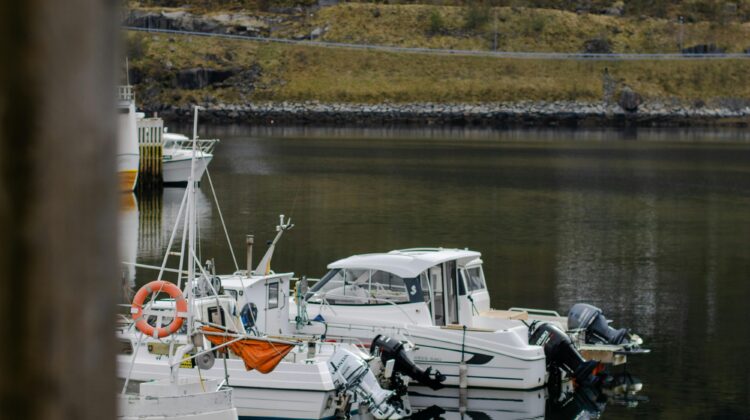
The Silence of the Fjords: Why Norway Just Banned Your Diesel Engine
For a century, the soundtrack of the Geirangerfjord has been the same: the low, mechanical thrum of diesel engines and the smell of sulfur hanging over the water like a dirty fog.
As of January 1, 2026, that soundtrack has been cut.
In a move that has cruise executives sweating in their Italian suits, Norway has officially enforced its “Zero Emission” mandate for its World Heritage fjords. If you are on a ship under 10,000 tons and you want to see Geiranger or Nærøyfjord, you can’t burn oil. You run on batteries, hydrogen, or you stay out.
The Great “Green” Filter
Let’s strip away the press release fluff. This law is an eviction notice for budget tourism. The old, rusted hulks that used to chug through these waters offering “affordable luxury” are gone. They physically cannot enter. What’s left are the high-tech, high-price vessels that can switch to silent running.
- The Survivor: Havila Voyages. While their competitors were lobbying for delays, Havila was filling their tanks with liquefied biogas.
- The Irony: The luxury ship you are paying a premium to sail on is likely powered by dead fish and potato peels. That’s the reality of the new “biogas” standard—processed organic waste. You are sailing on garbage, and it costs a fortune.
The Sound of Money
If you can afford the ticket, however, the experience has fundamentally changed. Standing on the deck of a battery-hybrid ship in the Nærøyfjord in 2026 is a sensory shock. You don’t hear the ship. You hear the waterfalls hitting the rocks a mile away. You hear the wind. You hear the absence of the industrial machine.
It is hauntingly beautiful. It is what these fjords were supposed to feel like before we turned them into marine highways.
The Loophole
Before you applaud the government too loudly, look at the fine print. The 2026 deadline applies to ships under 10,000 tons. The massive floating cities—the 150,000-ton mega-cruisers—managed to lobby their way into a delay until 2032.
So, while the boutique ships are forced to be pristine and silent, the behemoths can still park at the entrance to the fjords, busing people in or offloading them onto electric tenders. The pollution hasn’t disappeared; it’s just been pushed a few miles down the coast to where the UNESCO border ends.
Norway has drawn a line in the water. The era of cheap, dirty access to the world’s most beautiful coastline is dead.
If you go in 2026, bring a thicker credit card. The silence is golden, but you are definitely paying for the gold.