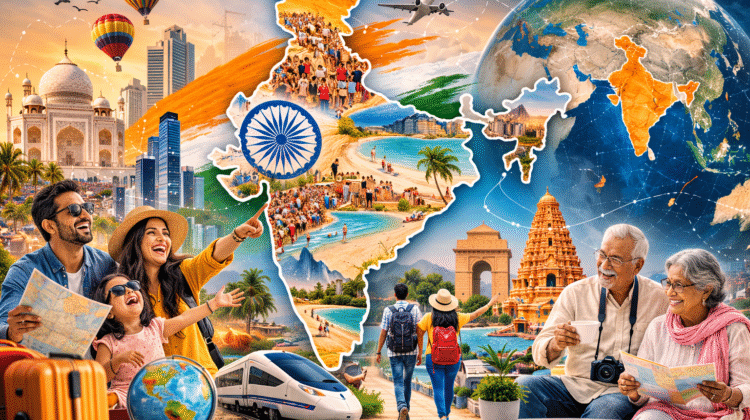
The India Story: A Nation of 147 Crore Stories
Dateline: 2026
Every morning in India begins with the same quiet miracle—millions of lives waking up, moving, working, dreaming, and building the future of a nation. As the population clock crosses 147.66 crore (1.476 billion) people, India stands not just as a country but as one of the largest living ecosystems of human ambition on Earth.
India today represents 17.79% of the global population, meaning nearly one out of every six people on the planet is Indian. But the real story isn’t simply the size of the population—it’s who these people are and what they represent for the future of business, travel, and economic growth.
A Young Nation Driving Tomorrow’s Economy
One of India’s greatest strategic advantages is its youth. The country’s median age is just 29.2 years, making it one of the youngest major economies in the world.
This demographic structure creates a powerful economic engine. A younger population means a larger workforce, rising incomes, and a generation eager to spend on experiences rather than just necessities.
For industries like travel, hospitality, entertainment, and lifestyle services, this youth dividend represents a massive opportunity. Young professionals, newly married couples, and digitally connected millennials are increasingly prioritizing travel, adventure, and lifestyle experiences.
Weekend escapes, destination weddings, luxury stays, and international vacations are becoming part of the aspirations of India’s growing middle class.
The Urban Surge: Cities Becoming Consumption Hubs
While India’s villages remain culturally and economically important, the country is rapidly urbanizing.
Today, over 55.53 crore Indians live in urban areas, and this number continues to grow every year. India’s cities are evolving into powerful centers of consumption, innovation, and mobility.
Urban populations drive demand for:
- Short weekend getaways
- Luxury and boutique travel experiences
- Tech-enabled booking platforms
- Quick access to domestic and international destinations
Cities like Mumbai, Delhi, Bengaluru, Hyderabad, and Pune are becoming major travel markets where high disposable incomes and demanding lifestyles push people to seek frequent breaks from their routines.
For the travel industry, urban India represents dense clusters of high-value customers who are digitally savvy and willing to spend on convenience and comfort.
Living Longer, Dreaming Bigger
Another major transformation in India is the steady rise in life expectancy, which now stands at 72.7 years.
This shift is creating a new segment of travelers often referred to as the “silver economy.” Retired professionals and senior citizens today are healthier, financially stable, and eager to explore destinations they may have postponed during their working years.
This growing group of senior travelers is increasingly interested in:
- Spiritual tourism
- Wellness retreats
- Slow travel experiences
- Cultural and heritage tours
For the travel industry, this represents an untapped market with both time and spending power.
Smaller Families, Bigger Experiences
India is also witnessing an important social shift in family structure. The country’s fertility rate has fallen to 1.93, below the replacement level of 2.1.
This decline means families are becoming smaller, and household resources are increasingly concentrated.
Instead of spending primarily on basic necessities, many families are now investing in experiences, education, and travel. Parents are more willing to spend on family holidays, international exposure for children, and destination-based celebrations.
This change is transforming travel from an occasional luxury into a regular lifestyle activity.
What This Means for the Travel Industry
For the travel and tourism sector, India’s demographic evolution presents one of the largest growth opportunities anywhere in the world.
With a population of 147 crore people, the potential customer base for travel businesses is larger than entire continents.
Several key trends are shaping the future of travel demand:
- Young professionals prioritizing experiences over possessions
- Urban consumers seeking quick and convenient travel options
- Smaller families spending more per trip
- Retired seniors exploring leisure travel later in life
Together, these factors are fueling the rapid expansion of India’s domestic and international travel markets.
The B2B Travel Fraternity Takeaway
For travel companies, tour operators, and hospitality providers, India’s demographic story offers clear strategic insights.
Market Size
With 147 crore people representing nearly 18% of the global population, India is one of the largest potential travel markets in the world.
Young Spenders
A median age of 29.2 years means millennials and Gen Z travelers dominate the market. This group values experiences, technology-driven bookings, and personalized travel.
Urban Demand
More than 55.5 crore urban residents create concentrated pockets of wealth where travel demand grows rapidly.
Smaller Families
With fertility rates falling to 1.93, families have more disposable income available for travel, luxury holidays, and international experiences.
The Silver Travel Boom
As life expectancy reaches 72.7 years, senior travelers are emerging as a powerful new market segment.
These articles are part of our ongoing coverage of emerging travel trends affecting the Indian B2B travel industry. For collaboration, advertising, or content partnerships, contact our editorial team …INFO@THETRAVIGATOR.COM.