The 144-Year Wait is Over
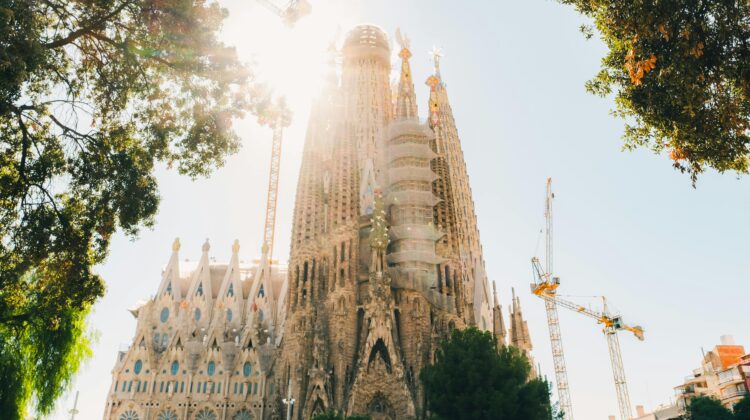
For five generations, the skyline of Barcelona has been defined by two things: cranes and scaffolding. But as of January 2026, the skyline has changed.
The Tower of Jesus Christ, the central spire of Antoni Gaudí’s Sagrada Família, has officially topped out at 172.5 meters. The cross is visible from the sea. The sheer verticality of it is breathtaking. In a year where technology feels dominant, this is a victory for stone, sweat, and 144 years of stubborn patience.
Awe
You have to give it to them: It is a miracle. Standing at the base of the Nativity Facade today, you feel the weight of time. This building survived the Spanish Civil War, arsonists, and decades of bankruptcy. To see it “complete” (or close to it) in time for the centenary of Gaudí’s death this June is genuinely moving. It is the tallest church on Earth, and it feels like it.
Fine Print
But let’s read the fine print. Is it finished? No. The “completion” of 2026 refers only to the vertical structure. The Glory Facade—which will eventually be the main entrance—is still years away (current estimates say 2034). And then there is the elephant in the neighborhood: The massive staircase Gaudí planned for the entrance requires demolishing two city blocks of residential apartments. That political fight hasn’t even started yet.
- The Tourist Reality: If you are coming this year, book your tickets now. The “Centenary Rush” is real. I tried to get a slot for the tower lift for next Tuesday, and the next availability is in mid-February.
- The “Finished” Premium: Prices have jumped again. A basic entry is now pushing €45 once you add the tower access. It’s a steep tithe for a church that is technically still a construction site.
Don’t let the cynicism stop you. Go. Seeing the light filter through those stained glass windows in the completed nave is one of the few travel experiences that actually lives up to the hype. Just don’t expect to walk up the front stairs yet.