
Shelf Discovery: The Art of Finding Stories on Shelves
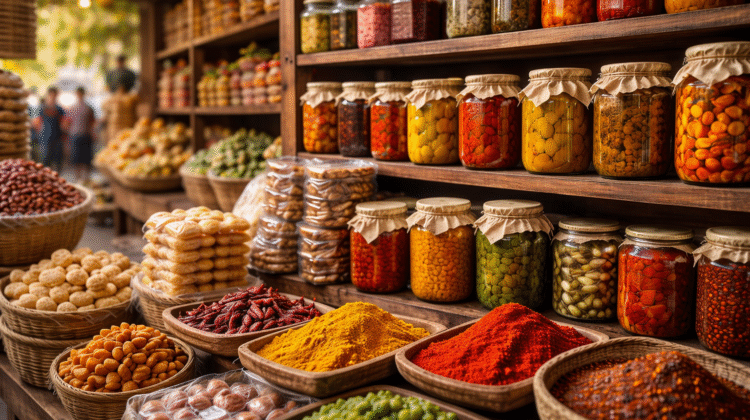
Imagine you’re walking through a narrow street market in Gangtok. The air carries the scent of spices, fermented greens, and freshly baked snacks. You stop at a small shop where glass jars line wooden shelves—pickles, dried herbs, and handmade condiments stacked neatly.
A shopkeeper offers you a taste of homemade dalle chilli pickle. The fiery flavor hits instantly, followed by a warmth that lingers. You buy a jar, knowing that weeks later, back home, a single spoonful will transport you straight back to that market.
This is the essence of shelf discovery—a travel trend where the real stories of a destination are found not in souvenir shops, but on the shelves of local bakeries, markets, and neighborhood stores.
What Is Shelf Discovery?
Shelf discovery is the practice of exploring a destination through its local food products and everyday retail culture.
Instead of collecting magnets or keychains, travelers bring home edible memories—items that capture the authentic flavors of a place.
These might include:
- Regional pickles and condiments
- Traditional sweets and baked goods
- Local spice blends
- Handmade snacks or preserves
Unlike mass-produced souvenirs, these foods tell stories of local traditions, family recipes, and regional ingredients.
For Indian travelers, where food plays a central role in culture, this form of discovery feels particularly natural.
Why Shelf Discovery Resonates with Indian Travelers
Across India, food is deeply tied to identity and memory. The growing interest in shelf discovery reflects how travelers increasingly want authentic, sensory experiences rather than generic souvenirs.
1. Food as a Cultural Memory
Some souvenirs fade into clutter. But food carries memory.
A jar of Sikkim’s dalle chilli pickle or the mustardy sharpness of Kolkata’s kasundi instantly brings back the taste of the city where it was discovered.
Long after a trip ends, these flavors keep the travel experience alive.
2. Every City Has Its Edible Icons
India’s cities are filled with legendary food stores where travelers line up for iconic local products.
In Pune, Kayani Bakery has been famous for decades for its buttery Shrewsbury biscuits, baked using traditional methods.
In Chennai, Grand Sweets is a ritual stop for travelers searching for homemade milagai podi, pickles, and sweets.
In Gangtok’s Lal Bazaar, travelers find shelves packed with regional specialties like gundruk, churpi, and cardamom sourced from Himalayan farms.
These places are not just shops—they are cultural institutions.
3. Discovery Through Local Markets
Shelf discovery is not just about buying products; it’s about the experience of finding them.
Travelers wander through:
- Bustling street markets
- Family-run bakeries
- Spice shops and tea stores
- Traditional sweet shops
Along the way, they taste samples, watch products being made, and hear stories from shop owners whose families have often run these businesses for generations.
This human connection transforms a simple purchase into a meaningful travel memory.
Why Travelers Value Edible Souvenirs
Edible souvenirs have an advantage that traditional gifts often lack—they are meant to be shared.
A box of biscuits from Pune or a jar of pickle from Sikkim becomes part of storytelling when travelers return home.
Friends and family gather around the table as the traveler recounts:
“Let me tell you where I found this…”
In that moment, the destination travels with them.
The Industry Opportunity
For the travel industry, shelf discovery opens a new dimension of experiential tourism.
Travelers today want authentic cultural immersion, and local food retail experiences provide exactly that.
Destinations can highlight local culinary heritage by integrating food markets, bakeries, and artisanal producers into travel itineraries.
Guided walks through traditional markets, visits to family-run food businesses, and tasting sessions with local experts can transform simple shopping into a memorable cultural experience.
For destinations looking to differentiate themselves, these hyper-local food stories can become powerful tourism assets.
What This Means for the Travel B2B Fraternity
For travel agents, tour operators, and destination management companies, shelf discovery creates opportunities to design unique and immersive travel experiences.
Some strategic approaches include:
- Creating food-trail itineraries that include visits to iconic local stores and markets.
- Partnering with local producers and family-run shops for exclusive traveler experiences.
- Offering guided tasting tours led by food historians or culinary experts.
- Providing packing guidance for edible souvenirs, especially for air travel.
- Negotiating exclusive discounts or curated gift hampers for travelers.
In an era when travelers increasingly seek authenticity, the shelves of local markets may hold some of the most powerful stories a destination has to offer.
THETRAVIGATOR.COM—- EDITORIAL NOTE
These articles are part of our ongoing coverage of emerging travel trends affecting the Indian B2B travel industry. For collaboration, advertising, or content partnerships, contact our editorial team …INFO@THETRAVIGATOR.COM.