Runway Roulette: Is the Party Over for St. Martin’s Adrenaline Junkies?
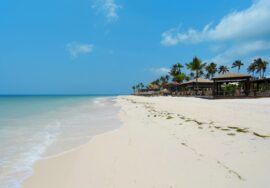
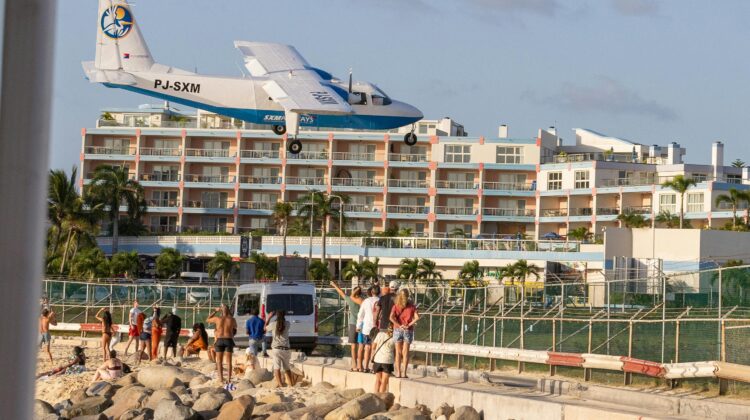
The smell of jet fuel mixes with the salt air. The turquoise water of the Caribbean laps gently against the sand, but no one is looking at the ocean. All eyes are locked on the horizon, waiting for the glint of metal that signals the arrival of a 70-ton beast.
This is Maho Beach, arguably the only place on Earth where a sunburn is the least of your worries.
For decades, this strip of sand at the end of Princess Juliana International Airport’s Runway 10 has been a pilgrimage site for aviation enthusiasts and thrill-seekers alike. But following a series of hair-raising incidents this year—including a jarring hard landing by a WestJet flight in September that rattled nerves across the island—the conversation is shifting from “how close can we get?” to “is this still safe?”
The Adrenaline Draw There is a primal energy here that you don’t find at a typical resort. When the engines of a departing heavy jet spool up, the sound isn’t just noise; it’s a physical force. You feel it in your chest.
They call it “riding the fence.” Tourists line up behind the chain-link barrier, gripping the mesh as if bracing for a hurricane. When the throttle hits, sand turns into shrapnel. Hats, sunglasses, and occasionally people, go flying. It is chaotic, dangerous, and for the thousands who flock here, absolutely intoxicating. It’s the ultimate defiance—standing inches from a machine designed to conquer the sky.
The Safety Equation While the thrill is undeniable, the physics are unforgiving. Local authorities are reportedly reviewing safety protocols this month. The concern isn’t just the “jet blast”—which has caused injuries and even a fatality in 2017—but the sheer proximity of the aircraft during landing.
The margin for error at Princess Juliana is razor-thin. The runway starts just feet from the public beach.
- The Data: Flight tracking data shows an increase in “low approaches” this season, likely due to changing wind patterns in the region.
- The Response: While no official ban has been enacted, increased police presence is now visible along the fence line, and new, larger warning signage is being installed. There is talk in the Dutch parliament of extending the “exclusion zone,” which would effectively push the beach crowds further back, diluting the very experience they come for.
The Verdict Maho Beach remains open, but the atmosphere is changing. It exists in a precarious balance between being a bucket-list destination and a public safety nightmare.
For now, the planes still land, the tourists still cheer, and the fence still rattles. But one question hangs in the humid air: How long can you stand in the path of a jet engine before luck runs out?