
Middle East Conflict Disrupts India’s $9B Medical Tourism Boom
Hospitals Pivot to New Markets as Gulf Patient Flow Declines
India’s medical tourism industry, once one of the fastest-growing segments of the country’s healthcare sector, is facing an unexpected disruption. The ongoing geopolitical tensions in the Middle East have begun to affect patient flows to India, forcing hospitals and medical travel facilitators to rethink their international strategies.
Valued at around $9 billion, India’s medical tourism industry has long relied heavily on patients from Gulf countries. However, recent air travel disruptions and regional instability have triggered a noticeable slowdown, pushing hospitals to explore new markets and digital healthcare solutions.
The Crisis in Numbers
The scale of the disruption becomes clear when looking at the data.
- Patients from Middle Eastern countries previously accounted for around 25% of India’s medical tourism industry (India Brand Equity Foundation, 2023).
- Leading healthcare chains like Apollo Hospitals have reported a 30–40% decline in patient arrivals from Gulf nations in early 2024.
- Hospitals such as KIMSHEALTH project a 15% drop in international patient revenues due to the decline in Gulf travel.
- Despite these challenges, India remains highly competitive globally, offering 60–80% lower treatment costs compared to Western countries (Medical Tourism Association).
For years, patients from countries such as the UAE, Oman, Iraq, and Kuwait have traveled to India for advanced medical procedures ranging from cardiac surgery and oncology treatments to orthopedic and transplant surgeries.
The Gulf Patient Slowdown
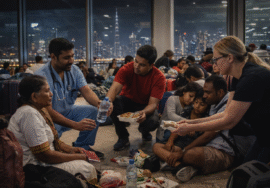
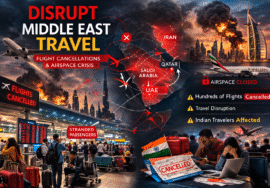
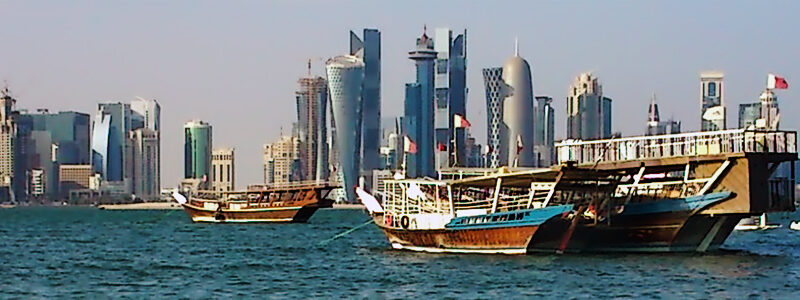
The recent Israel–Hamas conflict and rising tensions involving Iran have disrupted air routes across the Middle East. Major aviation hubs such as Dubai, Doha, and other Gulf transit points play a critical role in connecting patients to India.
With flight schedules disrupted and travel uncertainty rising, many patients have postponed or canceled elective procedures.
Key impacts include:
- Cancellation or delay of elective surgeries such as orthopedic replacements and cardiac procedures
- Reduced patient mobility due to limited flight connectivity
- A 40% drop in medical visa approvals for Middle Eastern nationals in March 2024
This disruption has created operational and financial challenges for hospitals that depend heavily on international patients.
Financial Impact on Hospitals
Patients from Gulf countries are among the highest-spending medical tourists in India.
On average, these patients spend two to three times more than other international patients due to their preference for premium services.
Typical expenditures include:
- Luxury hospital suites costing $300–500 per night
- Advanced treatments such as robotic surgeries and regenerative therapies
- Longer recovery stays accompanied by family members
The sudden decline in this high-value segment has forced hospitals to rethink their revenue strategies.
Telemedicine Emerges as a Lifeline
To maintain connections with international patients, several hospitals are rapidly expanding telemedicine services.
Virtual consultations allow patients to receive medical opinions before deciding whether to travel for treatment.
Recent developments include:
- Apollo Hospitals reporting a 200% year-on-year increase in online second-opinion consultations
- Fortis Healthcare launching Arabic-language telemedicine platforms to serve Gulf patients remotely
Telemedicine also enables hospitals to maintain trust with patients during uncertain geopolitical situations.
Exploring New Markets: Africa and Central Asia
With Gulf arrivals slowing down, hospitals are actively targeting emerging markets across Africa and Central Asia.
These regions are already showing strong demand for Indian healthcare services.
Key markets include:
Nigeria
More than 12,000 Nigerian patients travel to India annually for specialized treatments.
Kazakhstan
Medical travel from Kazakhstan has grown by around 35% since 2022, driven by demand for advanced surgeries.
Kenya
Kenyan patients collectively spend over $50 million per year on healthcare in India.
To attract patients from these regions, hospitals are expanding multilingual services and strengthening partnerships with local travel facilitators.
Competition from Southeast Asia
India also faces growing competition from medical tourism destinations in Southeast Asia.
Thailand, for example, attracts around 1.4 million medical tourists each year. However, India still holds several advantages:
- 65 JCI-accredited hospitals compared to Thailand’s 42
- Treatment costs that can be 40% lower for complex procedures like liver transplants
These cost advantages continue to make India a strong global healthcare destination.
Logistical Challenges
Despite the shift to new markets, travel logistics remain a major hurdle.
A significant portion of patients from Africa rely on transit routes through Gulf aviation hubs. With these routes disrupted, hospitals are advocating for improved connectivity.
Current challenges include:
- 60% of African medical travelers relying on Gulf transit hubs
- Calls for direct flight routes such as Delhi–Nairobi and Delhi–Almaty
- Medical visa processing times increasing from 7 days to nearly 21 days
Hospitals and industry stakeholders are urging the government to simplify visa procedures for medical travelers.
Future-Proofing the Medical Tourism Industry
To remain competitive, hospitals are implementing long-term strategies.
Some key initiatives include:
- Manipal Hospitals expanding French and Portuguese language services to attract African patients
- Max Healthcare launching bundled travel packages including flights and accommodation
- Government proposals for a Medical Visa Fast Track program for 15 African nations
These steps aim to diversify patient sources and reduce dependence on any single region.
Opportunities for the Travel B2B Sector
The evolving situation also presents new opportunities for travel service providers specializing in medical tourism.
Crisis Management Travel Packages
Travel companies can offer bundled solutions including:
- Air ambulance alternatives
- Emergency accommodation near hospitals
- Real-time patient travel tracking services
Niche Market Development
Medical travel agencies can build specialized services such as:
- Halal-certified recovery centers for Muslim patients
- Russian-speaking coordinators for CIS markets
- Faith-based healing and wellness programs
A New Reality for Global Medical Travel
The disruption caused by geopolitical tensions highlights how closely healthcare tourism is linked to global travel infrastructure and international politics.
For India’s healthcare sector, adapting to this changing landscape will require agility, innovation, and stronger international partnerships.
By expanding into new markets, embracing telemedicine, and improving travel connectivity, India’s medical tourism industry is working to ensure that its global reputation as an affordable and high-quality healthcare destination remains intact.
Key Takeaways for the Travel B2B Fraternity
- Market Shift: Gulf patient numbers are declining, pushing hospitals to target Africa and Central Asia.
- Logistics Challenge: Air route disruptions create opportunities for specialized medical travel logistics services.
- Premium Segment: Gulf patients spend significantly more, highlighting demand for luxury medical travel packages.
- Telemedicine Growth: Virtual consultations are becoming an essential part of international patient acquisition.
- Policy Opportunities: Direct flight routes and faster medical visa processing could unlock new markets.
Sources:
- Ministry of Tourism India – Medical Tourism Report (2024)
- IATA Middle East Air Traffic Analysis (2024)
- KPMG Healthcare Market Intelligence
- Apollo Hospitals Annual Report 2023–24
These articles are part of our ongoing coverage of emerging travel trends affecting the Indian B2B travel industry. For collaboration, advertising, or content partnerships, contact our editorial team …INFO@THETRAVIGATOR.COM.