Cherry Blossom 2026: Japan’s Timeless Tradition vs. Korea’s Vibrant Energy
The Spring 2026 cherry blossom season presents travel professionals with an exciting yet strategic decision: Japan or South Korea?
Both destinations transform into breathtaking landscapes of pink and white, yet the experiences they deliver are fundamentally different. For the travel B2B community—tour operators, DMCs, wholesalers, and travel advisors—understanding these distinctions is essential to crafting targeted, high-value itineraries.
Cherry blossom travel is no longer a niche seasonal product. It has evolved into a mainstream, high-demand spring peak—especially within the Indian outbound market.
Japan: Tradition, Tranquility & Cultural Immersion
In Japan, the sakura season is a deeply rooted cultural phenomenon centered around hanami—the centuries-old tradition of gathering beneath blooming trees to celebrate spring.
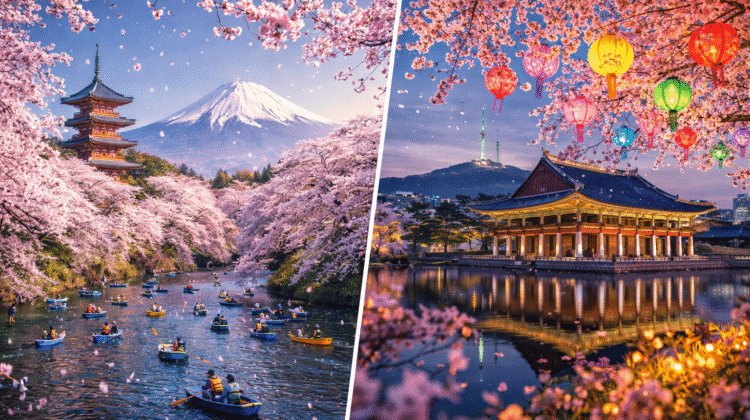
From late March to early April, iconic locations such as Tokyo’s Ueno Park and Meguro River, Kyoto’s Philosopher’s Path, and the historic grounds surrounding Osaka Castle become immersive stages of heritage and reflection. Ancient temples framed by delicate blossoms create postcard-perfect imagery that resonates strongly with luxury couples, honeymooners, and first-time Japan visitors.
Market Momentum from India
Japan witnessed unprecedented growth from the Indian market in 2024:
- 233,000 Indian travelers visited Japan
- Nearly 65% were first-time visitors
- Indian tourists contributed approximately YEN 56.1 billion to the Japanese economy
- February 2024 alone saw a 29% rise in arrivals
These numbers confirm one thing: cherry blossom travel to Japan has become a mainstream aspiration rather than a seasonal niche.
However, for 2026, a major development reshapes planning strategies. Due to overtourism concerns, Japan has cancelled the iconic Cherry Blossom Festival near Mount Fuji. While independent viewing remains possible, this signals a broader shift toward crowd management and sustainable tourism practices.
For travel advisors, this reinforces the need for early inventory blocking, alternative viewing locations, and responsible travel positioning.
South Korea: Festivals, Energy & Contemporary Appeal
If Japan represents poetic tradition, South Korea embodies vibrant celebration.
Typically peaking from early to mid-April, Korea’s cherry blossom season offers a lively, festival-driven atmosphere. The Jinhae Gunhangje Cherry Blossom Festival draws global attention with cultural performances, illuminated streets, and bustling food markets. Meanwhile, Jeju Island’s King Cherry Blossoms—larger and more dramatic than their Japanese counterparts—add a unique selling point.
In Seoul, blossoms frame modern skylines along the Han River and Seokchon Lake, blending nature with contemporary city energy.
Rapid Growth & Market Opportunity
South Korea is witnessing explosive growth from the Indian market:
- 60,000 Indian arrivals between January–April 2025
- 44% growth in 2024
This upward trajectory signals a significant opportunity—particularly as travelers seek alternatives that are affordable, visa-friendly, and less saturated compared to Japan’s peak zones.
Strategic Implications for Travel B2B Professionals
The cherry blossom season is now emerging as the third major outbound peak season, alongside summer and year-end holidays. This shift demands proactive planning.
1. Secure Inventory Early
- April 2026 Japan departures should be blocked by mid-2025.
- High-demand areas in Tokyo, Kyoto, and Osaka will fill quickly.
- Korea’s festival dates require early hotel and ground handling confirmations.
2. Position Korea as a Strategic Alternative
With Japan managing overtourism and canceling high-profile events, South Korea can be promoted as:
- Affordable yet premium
- Visa-friendly
- Vibrant and family-friendly
- Less congested during peak bloom
This does not mean replacing Japan—but offering a well-positioned alternative.
3. Segment Your Client Base
Different travelers require different narratives:
- Luxury Couples & Honeymooners → Japan’s temples, ryokans, private hanami experiences
- Families → Korea’s festivals, theme parks, interactive cultural shows
- First-Time Travelers → Japan’s iconic landmarks
- Repeat Japan Visitors → Korea as the “next blossom frontier”
4. Train Sales Teams Now
Frontline advisors must understand bloom timing differences, regional weather patterns, and festival calendars. Education will differentiate consultative sellers from transactional agents.