
From Wakefield to Wonder: Selling the Authentic British Small-Town Experience
Introduction
The quiet towns of Wakefield and Pontefract are not typical tourism heavyweights. No iconic landmarks, no bucket-list attractions.
Yet, through recent storytelling-driven content, they are emerging as unlikely tourism assets—proving that authenticity can outperform spectacle.
For Indian outbound, this is a strategic shift worth noting.
Insights
This is destination marketing in its most understated form.
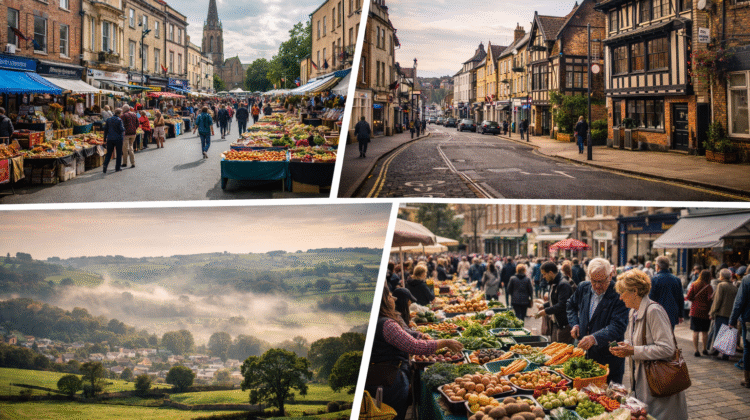
The appeal of these towns lies in their ordinariness—morning markets, school runs, local cafés, and lived-in neighborhoods. For international travelers, especially from India, this represents something rare: unfiltered British life.
The post-pandemic traveler is no longer chasing only landmarks. There is a growing demand for:
- Slower, immersive travel
- Cultural familiarity over curated experiences
- Real-life interaction over staged tourism
In that sense, Wakefield and Pontefract are not exceptions—they are prototypes.
Industry Analysis
From a B2B lens, this trend unlocks a new category:
1. “Everyday Tourism” as a Product
Destinations without traditional attractions can now be positioned as experiences. The focus shifts from “what to see” to “how to live.”
2. Decongesting the UK Circuit
London-centric itineraries are reaching saturation. Integrating Yorkshire towns allows operators to extend stays while offering differentiation.
3. Cost Advantage with Premium Positioning
Smaller towns offer lower operational costs (accommodation, logistics) while enabling premium storytelling-driven pricing.
For Indian travelers—particularly families and repeat UK visitors—this creates a compelling alternative to standard itineraries.
Strategic Takeaway
This is a packaging opportunity.
Travel agents and DMCs should:
- Design “Real Britain” itineraries combining London with Yorkshire towns
- Include community-led experiences—local markets, school visits, countryside walks
- Position these trips as cultural immersion, not sightseeing
For MICE, this also opens up intimate, high-engagement formats—team retreats in countryside settings rather than urban hotels.
The key is narrative:
From “tourist” to “temporary local.”
Verdict
Wakefield and Pontefract demonstrate that tourism does not always need scale—it needs story.
For Indian outbound, this is a high-potential niche. As travelers mature, the demand for authenticity will only grow.
Operators who move early can define this category before it becomes mainstream.
A subtle but powerful shift in how destinations are sold.
This report is part of TheTravigator’s continuing news coverage of the travel, tourism, aviation, and hospitality sectors. Our editorial team publishes industry news, market insights, partnerships, policy developments, and business updates relevant to the travel trade community. For press releases, partnership opportunities, advertising enquiries, or editorial collaborations, please contact our editorial desk at:
INFO@THETRAVIGATOR.COM