
Delhi Tourism Board: A Single Window for B2B Coordination
Introduction
In a city where tourism potential has always outpaced execution, the proposed Delhi Tourism Board signals a structural shift.
For years, Delhi has been a paradox—rich in heritage, strong in connectivity, but operationally fragmented. Multiple agencies, overlapping permissions, and bureaucratic delays have limited its ability to scale as a serious B2B tourism hub.
This move aims to change that—by creating a single-window system designed for efficiency, coordination, and growth.
Insights
Delhi doesn’t lack product—it lacks integration.
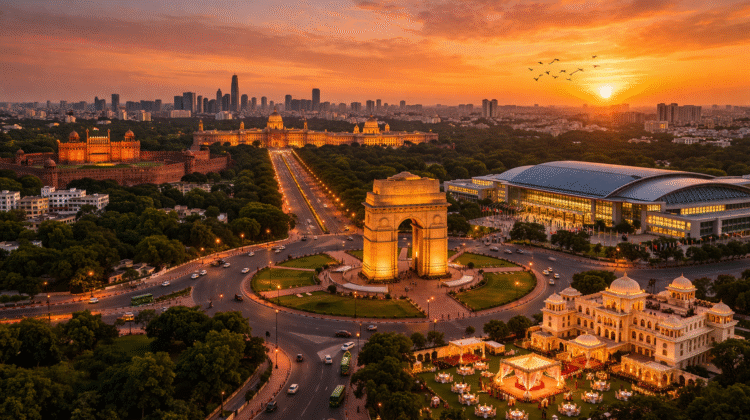
From iconic landmarks like India Gate to large-scale venues such as Pragati Maidan, the city already has the infrastructure to support high-value tourism segments.
What has historically held it back is execution friction—permits for events, coordination across civic bodies, and inconsistent timelines.
For Indian and international operators alike, this has made Delhi a complex sell for MICE, weddings, and large-format events, despite its obvious advantages.
Industry Analysis
The introduction of a centralized tourism board is a direct response to B2B pain points.
For tour operators and DMCs, the implications are immediate:
- Simplified approvals for events, itineraries, and shoots
- Reduced dependency on multiple agencies
- Faster turnaround times for planning and execution
This is particularly significant for:
- MICE (Meetings, Incentives, Conferences, Exhibitions)
- Destination weddings
- Film and commercial shoots
Delhi’s biggest advantage—its connectivity and scale—has always aligned with these segments. What was missing was process efficiency.
If implemented effectively, the board positions Delhi as a more competitive alternative to established MICE hubs like Dubai or Bangkok—especially for domestic and regional corporate travel.
Strategic Takeaway
The opportunity here is not just administrative—it’s commercial.
The winning positioning is:
“Delhi—India’s most connected city, now operationally aligned.”
For agents and DMCs:
- Re-evaluate Delhi as a primary MICE and event destination, not just a transit city
- Leverage faster approvals to pitch large-scale corporate events and weddings
- Build integrated itineraries combining Delhi with North India circuits (Agra, Rajasthan)
This is a policy-led growth trigger—and early movers will benefit the most.
Verdict
The proposed Delhi Tourism Board is more than an administrative reform—it’s a market enabler.
If executed well, it can transform Delhi from a high-potential but underutilized destination into a streamlined, B2B-friendly tourism hub.
For the travel trade, the message is clear:
less friction, faster execution, and a stronger case for scaling business in India’s capital.
This report is part of TheTravigator’s continuing news coverage of the travel, tourism, aviation, and hospitality sectors. Our editorial team publishes industry news, market insights, partnerships, policy developments, and business updates relevant to the travel trade community. For press releases, partnership opportunities, advertising enquiries, or editorial collaborations, please contact our editorial desk at:
INFO@THETRAVIGATOR.COM