Sri Lanka Tourism Hit by Flight Disruptions Amid Global Conflict
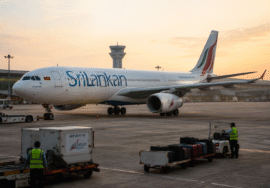
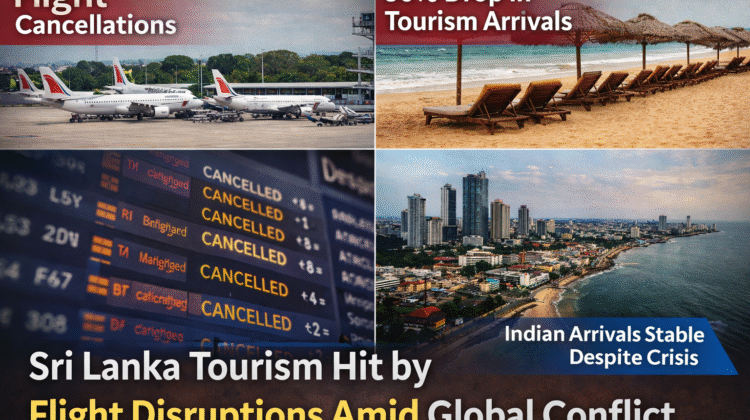
The escalating geopolitical crisis continues to impact global travel patterns, and Sri Lanka is now feeling the pressure. As of March 16, the country has reported a sharp drop in tourism arrivals and a wave of flight cancellations caused by disruptions across key Middle Eastern transit routes.
For the global travel industry, Sri Lanka’s situation highlights how geopolitical instability can ripple across tourism markets that depend heavily on international connectivity.
30% Drop in Tourist Arrivals
According to Ruwan Ranasinghe, Sri Lanka has recorded a 30% decline in tourist arrivals, directly linked to disruptions caused by the ongoing regional conflict.
One of the major reasons behind this decline is the sudden interruption of air connectivity through Middle Eastern hubs. These transit airports play a crucial role in linking Europe and other long-haul markets to Sri Lanka.
The impact has been immediate and dramatic:
- 768 flights to Sri Lanka have been cancelled
- European travelers, who rely heavily on Middle Eastern transit routes, are facing travel disruptions
- Airlines are adjusting schedules due to regional airspace concerns
These disruptions have created uncertainty for inbound tourism operators and hospitality businesses across the island.
India Remains a Stable Tourism Source
Despite the turbulence affecting other international markets, India continues to remain a reliable source market for Sri Lanka’s tourism sector.
The Deputy Minister confirmed that Indian tourist arrivals have not shown any significant decline, even as other markets experience disruptions.
India has consistently remained Sri Lanka’s largest tourism source market, with strong travel flows driven by:
- Geographic proximity
- Frequent direct flights
- Cultural and historical ties
- Growing leisure and wellness tourism demand
This stability highlights the resilience of the India–Sri Lanka travel corridor, even during global travel disruptions.
Tourism Sector Preparing for Prolonged Impact
While the current stability of the Indian market is encouraging, Sri Lankan authorities are preparing for a potentially deeper impact if the geopolitical conflict continues.
Tourism officials are monitoring:
- Airline route adjustments
- Flight availability through alternative transit hubs
- Shifts in traveler confidence across European markets
If the crisis persists, Sri Lanka’s tourism sector may need to pivot toward regional markets like India, Southeast Asia, and East Asia to maintain visitor numbers.
B2B Travel Takeaway
For travel agents and tour operators, Sri Lanka’s situation offers several key insights:
- Flight disruptions matter: Heavy reliance on Middle Eastern transit hubs makes destinations vulnerable during geopolitical crises.
- Regional markets are resilient: India continues to act as a stable outbound market even during global instability.
- Diversified source markets are critical: Tourism boards must balance long-haul markets with strong regional travel flows.
For Indian travel professionals, this presents an opportunity to strengthen short-haul packages to Sri Lanka, particularly as the destination looks toward regional markets for recovery.
Despite global turbulence, Sri Lanka’s proximity and strong tourism infrastructure ensure it remains one of the most accessible and attractive international destinations for Indian travelers. 🌍✈️
These articles are part of our ongoing coverage of emerging travel trends affecting the Indian B2B travel industry. For collaboration, advertising, or content partnerships, contact our editorial team …INFO@THETRAVIGATOR.COM.