Humanity First: When Dubai’s Expats Became Family
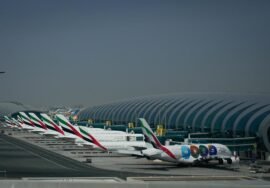
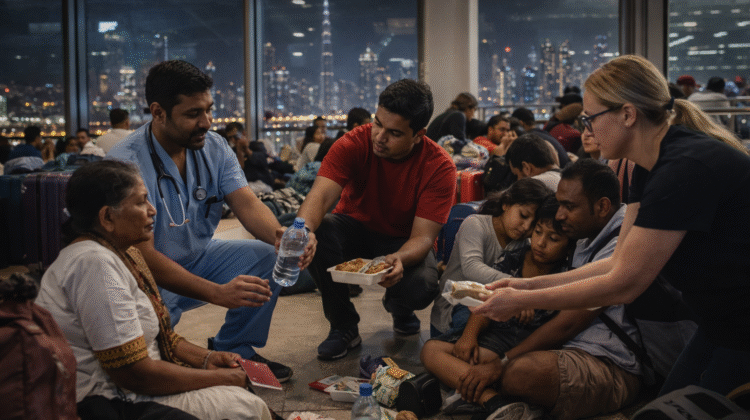
As missiles closed Middle Eastern skies, thousands of travellers suddenly found themselves stranded at airports across the region. In Dubai, uncertainty filled the terminals as flights were cancelled and passengers struggled to find accommodation.
But before governments stepped in or official relief plans were announced, something extraordinary happened.
Ordinary residents—expatriates who had made Dubai their home—opened their doors to strangers.
Doctors, entrepreneurs, families, and volunteers stepped forward with a simple message: you are not alone here.
One of them was Dr. Vishrut Singh, who offered his apartment to travellers stranded overnight. His words captured the spirit of the moment:
“Humanity is still alive.”
Across the city, similar acts of kindness unfolded quietly.
Businessman Dhiraj Jain turned his farmhouse in Ajman into a temporary shelter, hosting nearly 200 stranded travellers free of cost. Property owners opened vacant apartments to elderly passengers. Families invited strangers to share meals and rest while waiting for flights to resume.
None of this was organized through official channels.
It was simply people helping people.
In a world often defined by borders, politics, and policies, these actions reflected something far more fundamental—the idea that humanity transcends nationality.
The phrase “one earth, one race” was not spoken in speeches or conferences; it was quietly lived out in living rooms, guest rooms, and farmhouses across the UAE.
Eventually, government support and airline arrangements helped many travellers secure accommodation and alternative travel plans. But those first crucial hours—the moment when fear and uncertainty were highest—were carried by the kindness of individuals.
It was a reminder that long before institutions act, human compassion often arrives first.
The story also highlights the unique character of Dubai’s expatriate community. In a city built by people from every corner of the world, solidarity becomes instinctive. When crises occur, the response often comes not from systems but from neighbors who see strangers as family.
And in those moments, the true strength of global travel communities becomes visible.
Inputs courtesy: Gulf News
Takeaways for the Travel B2B Fraternity
- Community matters more than commerce during crises. Brands that prioritise people over profits earn long-term respect and trust.
- Hyper-local support networks are critical. On-ground assistance can make the difference between chaos and care when disruptions occur.
- Travel agents must cultivate local partnerships. Strong relationships with hotels, transport providers, and community networks enable rapid crisis response.
- Authentic kindness builds powerful brand equity. Trust created through genuine human support cannot be replicated through marketing campaigns.
These articles are part of our ongoing coverage of emerging travel trends affecting the Indian B2B travel industry. For collaboration, advertising, or content partnerships, contact our editorial team …INFO@THETRAVIGATOR.COM.