


Noctourism: The Ultimate Escape into a World Transformed by Darkness
For decades, the global travel industry has revolved around daylight experiences—sunlit landmarks, beach holidays, and sightseeing under clear blue skies. Yet a new generation of travelers is turning toward something far more atmospheric and immersive: noctourism, the art of exploring the world after dark.
Noctourism goes far beyond nightlife, clubbing, or bar-hopping. It is a purposeful pursuit of experiences that only come alive when the sun goes down—whether that means swimming in glowing bioluminescent bays, embarking on a night safari, or sleeping beneath a blanket of stars in some of the world’s darkest deserts. This growing trend is redefining how destinations are experienced and, more importantly, how travel businesses can innovate.
Why Noctourism Is Rising
The rise of noctourism is not accidental. It is fueled by a convergence of modern travel challenges and evolving consumer desires.
1. Overtourism Relief
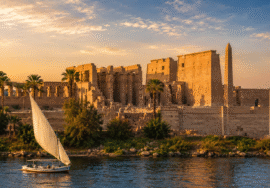
Popular destinations are increasingly congested during peak daylight hours. Visiting iconic landmarks such as the Taj Mahal or Petra at night offers a serene, crowd-free alternative. Evening access not only enhances visitor experience but also helps distribute foot traffic more sustainably.
2. Climate Comfort
With global temperatures steadily rising, many destinations are becoming uncomfortably hot during the day. Nighttime experiences provide a practical and enjoyable solution, allowing travelers to explore in cooler conditions.
3. Deeper Emotional Connection
Travelers today seek meaningful, immersive experiences. According to recent industry surveys, nearly two-thirds of global travelers are considering holidays that include nighttime activities. The appeal lies in the intimacy, tranquility, and sense of wonder that darkness naturally creates.
Experiences Driving the Noctourism Movement
The activities within this niche are diverse, immersive, and often transformative.
Astrotourism is a major catalyst. Travelers are flocking to Dark Sky Parks and Reserves—protected areas with minimal light pollution—to witness the Milky Way in its full brilliance. Stargazing tours, astronomy workshops, and desert overnight camps are rapidly gaining traction.
Night Safaris offer a completely different wildlife experience. Nearly 70% of mammals are nocturnal, meaning travelers can encounter species rarely seen during the day, including aardvarks, honey badgers, and other elusive creatures. This adds exclusivity and rarity to safari offerings.
Night Diving and Marine Exploration reveal a hidden underwater world. Fluorescent coral reefs, bioluminescent plankton, and nocturnal marine species create an otherworldly experience that cannot be replicated in daylight.
Cultural Night Tours—from illuminated heritage walks to temple ceremonies—add emotional depth and storytelling potential to traditional sightseeing.
Why This Matters for the B2B Travel Industry
For tour operators, travel agents, destination management companies (DMCs), and hoteliers, noctourism is more than a trend—it is a strategic opportunity.
This shift represents both a market intelligence insight and a product development catalyst, translating consumer behavior into actionable business strategies.
Identifying a Lucrative Niche Market
Noctourism appeals to experience-driven, premium travelers seeking exclusivity and authenticity. This audience is often willing to pay more for rare, curated experiences—creating higher-margin opportunities.
Product Innovation and Diversification
For DMCs:
Night-based itineraries encourage partnerships with astronomy experts, conservationists, marine guides, and cultural institutions. This allows for the creation of unique, high-value packages that differentiate destinations.
For Accommodation Providers:
Properties in remote or nature-rich locations can introduce “Sleep Under the Stars” packages, rooftop observatory nights, guided stargazing sessions, or night wellness retreats. These offerings transform geographical remoteness into a competitive advantage and unlock new revenue streams.
For Activity Operators:
Operators can introduce night diving certifications, full-moon trekking tours, wildlife tracking experiences, or illuminated heritage walks—extending operational hours while enhancing visitor value.