
The $15,000 Ticket and the Bag of Poop: Nepal’s 2026 Reality Check
Nepal has always been the backpacker’s spiritual home—a place of cheap dal bhat, loose rules, and high peaks. In 2026, the peaks are still high, but the “cheap and loose” era is officially dead.
If you are landing in Kathmandu this week, you are entering a country that is trying to gentrify its mountains while choking on its own urbanization. The air is thick, the permits are expensive, and the government is finally asking you to clean up after yourself.
The Everest Gatekeeping: Rich & Experienced Only
The biggest story in the Himalayas isn’t the snow; it’s the legislation. The Spring 2026 Everest Season is about to begin, and the barriers to entry have just become fortress walls.
- The Price Tag: The permit fee has jumped to $15,000 USD. That is just for the paper. The total expedition cost is now easily pushing $60k-$100k.
- The “Resume” Rule: This is the game-changer. New regulations state you must have summited a 7,000m peak in Nepal before you can touch Everest.
- It’s a purge. The era of the “wealthy novice” being dragged to the summit by three Sherpas is theoretically over. The government is trying to stop the traffic jams by banning the amateurs. It’s safer, yes, but it also turns the roof of the world into a VIP club for the elite alpinist.
- The “Poop Bag” Clause: It is no longer a suggestion. You are now legally required to use WAG bags (biodegradable waste bags) and carry your own waste down from the high camps. The “world’s highest toilet” is closed.
The White Elephant: Pokhara International (PKR)
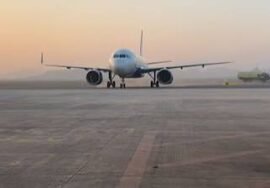
Fly to Pokhara, and you will land at the shiny, controversial Pokhara Regional International Airport.
- The Status: It opened years ago to fanfare, promising direct jets from China and India. In Jan 2026? It is still mostly a domestic hub. You will likely see a solitary Druk Air charter or a sporadic regional flight, but the “International” part of the name is largely decorative.
- The Vibe: It is a beautiful, modern terminal that feels eerily empty. You can hear your footsteps echo. The view of Machhapuchhre from the tarmac is stunning, but the lack of international traffic is a stinging reminder of geopolitical gridlock.
The Brick Kiln Valley: Kathmandu
Do not romanticize the capital in January.
- The Air: Kathmandu is currently sitting in a bowl of smog. The AQI (Air Quality Index) is hovering in the “Very Unhealthy” (200+) range. The dust from road widening projects mixes with vehicle exhaust and brick kiln smoke to create a “winter fog” that tastes metallic.
- The Move: Get out. Use Kathmandu as a transit lounge. Land, get your permits in Thamel, and leave the next morning. Your lungs cannot handle the nostalgia.
The Frozen Road: Mustang
If you want the “Old Nepal,” go to Upper Mustang.
- The Road: The Beni-Jomsom-Korla road construction is currently stalled due to the extreme January freeze.
- This is actually good news for the purist. With the excavators frozen, the trail is quiet. The Lo Manthang track is difficult, cold, and utterly silent. The “Last Forbidden Kingdom” feels forbidden again, protected by the winter. If you can brave the -20°C nights, you will see the Himalayas as they were before the road crews arrived.
Nepal in 2026 is a country of strict binaries. If you are a serious mountaineer with $20k to burn, it is safer and cleaner than it has been in decades. If you are a casual tourist, it is dustier and more bureaucratic.