

The “Ring Road” Just Got More Expensive
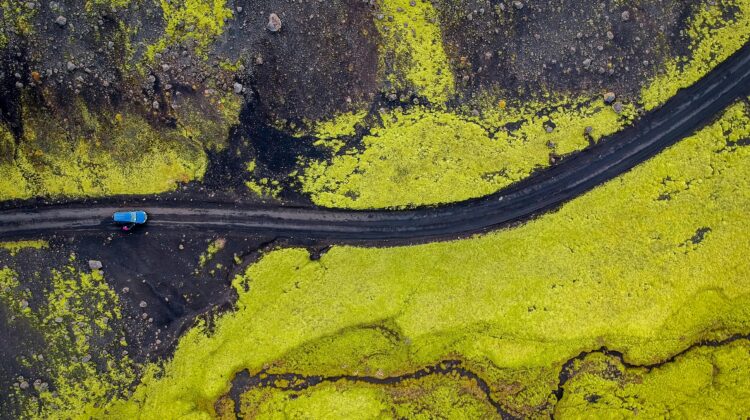
If you picked up a rental car at Keflavík Airport this morning, you likely noticed a new line item on your bill: 1,550 ISK ($11) per day.
“It’s not a fee,” the clerk probably told you with a tired smile. “It’s the future.” As of January 1, 2026, Iceland has officially scrapped its old fuel taxes in favor of a universal Kilometer Tax. For the EV drivers who have been cruising the Ring Road tax-free for years, the free ride is over. For everyone else, it’s yet another surcharge in a country where a sandwich already costs $18.
The Math Hurts
Let’s be real: For a 10-day Ring Road trip, this adds about $110 to your base cost. The government argues that fuel prices have dropped to offset it (petrol is indeed down by roughly 90 ISK/liter), but for the tourist budget, it feels like a penalty for exploring. And don’t try to dodge it. The rental agencies are charging flat daily rates based on averages because they don’t have the manpower to check odometers every time a Dacia Duster comes back covered in mud.
The View from the Edge
But drive forty minutes south to Grindavík, and the complaints about an $11 tax feel petty. The town remains a ghost of its former self. While the “Phase 1” reconstruction has technically begun, it is surgical—fixing pipes and roads, not bringing families back. I stood at the barrier near the Blue Lagoon today. The lava from the 2024-2025 flows has cooled into a jagged, black ocean. It is terrifyingly beautiful. The locals here aren’t talking about taxes. They are talking about the Northern Lights display that danced over the craters two nights ago (Jan 12). It was a reminder that while the earth here destroys, it also creates. The “Volcano Tourism” industry has matured. It’s no longer about chasing lava (which is currently paused); it’s about touring the “Resilience Zone.” If you come, book a guide. The money doesn’t just buy you safety; it keeps a community on life support.