


The “Digital Moat” is Complete. And St Pancras is Drowning
If you are reading this from the queue at Paris Gare du Nord, you might want to get comfortable. You aren’t making the 10:15 to London.
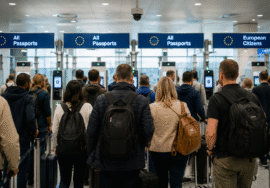
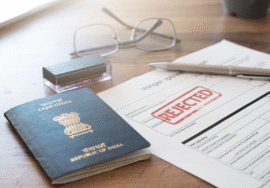
As of January 2026, the UK Electronic Travel Authorisation (ETA) is fully operational. The grace period is over. Every American, German, Frenchman, and Spaniard now needs a digital pre-approval to cross the Channel. The Home Office promised a “seamless, contactless border.” What we got was a server crash.
The £10 Insult Let’s call this what it is: A tax on friendship. The £10 fee isn’t the issue; it’s the friction. The official app has been glitching for 48 hours, leaving thousands of travelers—including students trying to get back for the Lent term at LSE and Imperial—in limbo. I spoke to a tech CEO in the lounge at St Pancras who missed his board meeting in The City because his “face scan” failed three times. “I used to just hop on a train,” he told the room. “Now I feel like I’m applying for a security clearance just to buy a sandwich in Soho.” London retailers, already bleeding from the lack of VAT-free shopping, are watching their European weekend customers choose Milan instead.
The Psychological Wall The real damage here isn’t digital; it’s psychological. For decades, London felt like an extension of the continent—a quick hop for a gig, a meeting, or a gallery opening. The ETA changes that. It turns a right of way into a “permission.” We are no longer neighbors; we are “approved guests.” The UK is still open for business, yes. But the door is heavier, the lock is sticky, and frankly, a lot of people are deciding not to knock.
If you have staff travelling to London this week, print everything. The e-gates are rejecting about 15% of the digital codes. Old school paper backup is the only thing moving fast today.